 National Wire About Nigerians, Nigerian Business and Other Stories


For decades, Nestlé Nigeria has actively collaborated with key stakeholders in the Nigerian agriculture sector to improve crop production for both food and industrial use, playing a vital role in tackling food security challenges. Nestlé’s initiatives such as enhancing crop resilience, farmer training, and nutrition programs are helping to transition Nigeria from a food-importing to a food-exporting nation. This aligns with the Gates Foundation’s support for improved seeds and agricultural innovation, both aiming to lift families out of malnutrition. In Abuja’s recent food and nutrition program organised for stakeholders by the Gates Foundation in September, DAYO EMMANUEL who was in attendance narrates the similarities of other stakeholders like the Gates Foundation with the earlier involvement of Nestlé’s longstanding commitment to nourishing countries in Africa especially the comtinent’s largest population and inspiring further stakeholder’s involvement to counter climate impact and food insecurity.
Over the years, Nestle Nigeria has been involved with relevant stakeholders, collaborating with local farmers, playing a pivotal role in building resilience and strengthening Nigeria’s agricultural sector.
Nestlé’s Role in Strengthening Local Agriculture
Nestlé Nigeria is addressing critical aspects of food security with impactful programs in collaboration with the International Fertilizer Development Center (IFDC), USAID, and Volunteers for Economic Growth Alliance (VEGA), according to information derived from the organisaton’s website.
One key initiative, the Sorghum and Millet in the Sahel (SMS) Project, aims to enhance millet and sorghum farming systems in Northwestern Nigeria. Through this project, Nestlé has directly supported 30,000 farmers over two years, helping them adapt to climate challenges, increase productivity, and build resilience.
Moreover, Nestlé has launched the M-QIP program in Kaduna State in partnership with USAID and VEGA. This program harnesses local expertise to train farmers, workers, and small agricultural businesses on reducing crop contaminants and improving crop quality. By empowering 150 local youth volunteers and building the capacities of associations, M-QIP is set to train over 20,000 smallholder farmers, with 40% of them being women. The goal is to boost maize and soybean yields by 17,000 metric tons annually, enhancing farmer income and supporting small businesses.
Gates Foundation’s Innovations in Agriculture and Health Compliments Nestle’s Efforts
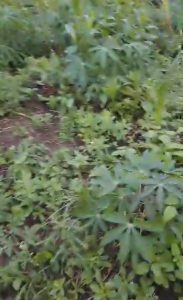
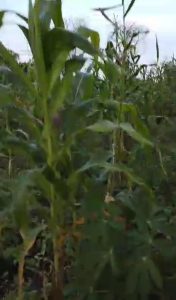
The Gates Foundation complements these efforts of Nestle Nigeria by advancing sustainable farming practices and promoting innovations in seed development. Working with the CGIAR (Consultative Group on International Agricultural Research), the foundation supports the distribution of high-yield, disease-resistant crops like maize and cassava.
Founder of the Foundation, Bill Gates, recently in Abuja, Nigeria’s capital, pointed out that such innovations are essential for increasing productivity and combating food inflation, which reached 39% in Nigeria this July.
Through climate-adapted seeds and sustainable farming, the foundation is equipping farmers to cope with Nigeria’s unique climate challenges. Gates emphasized that “While farmers have the freedom to choose between traditional and improved seeds, the foundation is dedicated to making resilient, royalty-free seed options available.”
Collaborating for Food Security and Nutritional Improvement
Nestlé Nigeria’s agricultural programs align well with the Gates Foundation’s initiatives for tackling Nigeria’s nutritional challenges. The foundation is implementing a Multiple Micronutrient Supplement (MMS) pilot to improve maternal nutrition, and Nestlé’s focus on crop quality and yield improvement is set to increase the availability of nutrient-rich food in the Nigerian market.
By investing in agricultural productivity and maternal health, both Nestlé Nigeria and the Gates Foundation are fostering conditions for Nigeria’s food self-sufficiency. While Gates believes that these collaborations with local stakeholders, coupled with support for AI in healthcare and climate-resilient agriculture, can help Nigeria become a model for sustainable growth in Africa, Nestle, a food production giant is on ground converting efforts of local farmers into seeable nutritional value to sustain Nigeria’s large population.
Towards a Self-Sufficient Future
Together, Nestlé Nigeria and relevant stakeholders are working to create a resilient agricultural sector in Nigeria, from improved crop yields to fortified maternal and child nutrition. As these efforts gain momentum, Nigeria is poised to tackle malnutrition and food inflation, empowering small-scale farmers and positioning the country on a path to become a net food exporter. Through sustained partnerships, they aim to transform Nigeria’s agricultural landscape and pave the way for a secure and self-sufficient future in Africa’s largest economy.