 National Wire About Nigerians, Nigerian Business and Other Stories


By: Okosun Dennis
As the ban on motorcycles popularly known as Okada has commenced in some parts of Lagos State, and the intention of the Federal Government to totally ban its use across the country in order to check spiralling insecurity, a security expert has cautioned against a holistic ban.
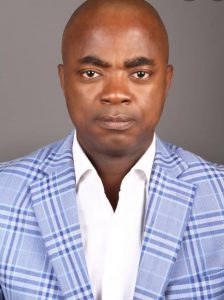 Speaking with our correspondent in an exclusive chat, Matthew Ibadin, the Chief Executive Officer, Baddinson Security limited averred that even though he supports the ban in their operations, it should be strategically carried out in order not to create more problems than it is met to address.
He explained that the proposed ban is necessary but it should be restricted to certain areas that are prone to insecurity especially terrorists and bandits attacks.
Ibadin also observed that in remote areas, some villages are inaccessible due to bad roads except with bikes hence places like that should be taken into consideration as total ban would mean that they are shut out from the entire world as vehicles do not ply such areas.
“The ban will negatively affect production and transportation of goods and services in rural areas.There are road links that are not motorable with vehicles except the Motorcycle.
“Most security personnels that want to carry out rescue operations will not be able to work well or do anything serious as some may have the need to use bike. Besides that, commercial motorcycle is used as a mode of public transportation, and operated mainly by young youths and a few middle aged men,” he noted.
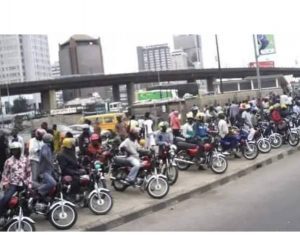
A cursory look at the historical perspective on how motorcycles became a toast for commercial activities, Ibadin explained that the business began in Nigeria in the 1980’s when there was economic crunch.
“Some youths who lost their jobs resorted to earning a living by the use of their motorcycles to convey passengers to and fro from their destinations. This practice soon became fashionable by both passengers and the operators because while the passengers are conveyed to the last point of their destinations, however remote it is, the operators found a new lease of life in it having lost their first jobs and businesses.
The practice became amplified or exacerbated as the users found it useful as most Nigerian roads collapsed and became unmotorable thereby making it impossible for people to easily get to their destinations.
It soon became a veritable means of transportation due to its flexibility and could access every nooks and crannies of the remote areas, often but out with by erosion or other natural cause.
“Motorcycles became an alternative to cabs and buses that cannot ply on the collapsed roads. This made the business to enjoy acceptance by the public as a means of transportation and it boomed from then till date.
“As long as unmotorable and hard-to-reach areas continue to exist, the demand for its use will persist.
Truely, the security situation in the country is deteriorating; however, the ban on motorcycles should be done strategically, “with the right kind of intelligence.”
In order not to make the ban discriminatory, the security expert advises that there should be a risk-based approach to this ban. That is; look at areas where motorcycles do pose the greatest risk and the effects of the ban on them.
He further advised that “The government should selectively identify areas where motorcycles pose greater risk to security and deal with them accordingly.
“The degenerating security situation has also been linked to unemployment and the reasons many young Nigerians have opted to venture into commercial motorcycling.
“The impact of insecurity on the businesses of many Nigerians has forced them to adopt okada as a business. Farmers can no longer get to their farms and those in manufacturing sectors, traders, and indeed, everyone, are now restricted in their operations. So what do we expect?”
Proffering some solutions to the problem the ban might generate, Matthew Ibadin called on the relevant Government or its agencies to organize programmes or invest in some vocational and technical training to absolve them rather than living them to the wind, knowing full well the effect it might have on those that have lost their jobs.
Chiefly among those skills Mr Matthew Ibadin recommended with starter packs are investing in Saloon shops; Photograpy; Motor Mechanic; Fashion Designing, Entertainment and Film making among other skill acquisitions programmes.