 National Wire About Nigerians, Nigerian Business and Other Stories


By Friday Ekeoba
The call for companies to give back to communities where they operates is one area most going concerns frown at, especially when viewed from the precinct of multiple taxation from the government, to demands of most host communities which has been inimical to business operations.
However, one conglomerate that has since stood out and tall is Nestle Nigeria Plc. Its strategic Corporate Social Responsibility (CSR) initiatives have indeed been a game-changer in giving back to society. The company’s commitment to community development, environmental sustainability, and social responsibility and youth empowerment is evident in its various programs.
 The Food/Beverage giant which was incorporated into the domestic economy in 1961 and listed on the exchange on 25th September 1979, has despite its tax commitment to the Nigerian government, which amounted to N221.45 billion over the last decade, had at 2022, according to the Nigerian Exchange Group (ngxgroup.com) reported spending on community water projects, school projects, and the Nestle for Healthier kids program a total of over N100 billion.
The CRS initiative which has further endeared the company to its numerous shareholders arises from the management commitment and believes, that their demonstrative success is intricately linked to the well-being of the communities they serve.
An x-ray of the company’s laudable CRS drive showed that in the area of community development, it zero on development through programs in nutrition, rural development, and youth empowerment. One area that is readily visible include the Nestle Empowering Rural Women in Nigeria project, which offers business training and financial support to female retailers; the My Own Business (MYOWBU) scheme, empowering over 1,300 youth to become beverage sellers; and investments in water and sanitation (WASH) facilities for schools and communities.
 In the Agricultural space: Nestle Nigeria has implemented sustainable farming practices, training over 30,000 farmers on good farming practices to increase productivity and improve grain quality.
Nestlé Nigeria promotes sustainable agriculture through projects like the Dairy Demonstration Farm for enhanced milk production and the Maize Quality Improvement Program (M-QIP) to improve maize and soybean quality and yields.
They also empower youth through the Golden Morn Agripreneurship Webinar Series and provide training for farmers in sorghum and millet production. Their overall strategy focuses on regenerative agriculture, aiming to improve soil health, water cycles, and biodiversity while enhancing farmer livelihoods and contributing to food security.
The company policy on regenerative Agriculture Approach, which focuses on the environment, is committed to regenerative agriculture, a farming method that restores and enhances land health. This includes improving soil health, restoring water cycles, and increasing biodiversity.
 Decarbonizing the Value Chain: By promoting regenerative agriculture, Nestlé aims to reduce greenhouse gas emissions and create sustainable sourcing for its key ingredients.
Farmer Livelihood Enhancement: The Company works to improve farmer livelihoods by ensuring a ready market for their produce, paying premiums for regenerative goods, and diversifying their income through activities like beekeeping and vegetable production.
With strategic alliances, the company also had collaborated with organizations like the International Fertilizer Development Center (IFDC), AGRA, and TechnoServe to implement sustainable agriculture projects, even as it has invested over $1 million in a project to establish regenerative agriculture as a standard in the food industry, with a global aim to source 50% of key ingredients from farmers practicing regenerative agriculture by 2030.
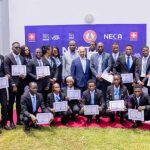
A recent bold step towards building a climate-resilient agricultural sector, saw AGRA, Nestlé Nigeria, and TechnoServe launching the Strengthening Farmers’ and SMEs’ Resilience through Climate Smart Grain Production and Accessing the Structured Markets (StreFaS) initiative in Nigeria.
StreFaS is a three-year initiative, funded by AGRA and Nestlé, that will run from June 2024 to October 2027. The program aims to support 25,000 smallholder farmers and eight aggregators across Kaduna and Nasarawa States, promoting sustainable production of maize, soybean, rice, and sorghum. It focuses on integrating regenerative agriculture into every step of the value chain, with particular emphasis on empowering youth and women.
StreFaS will help improve soil health, lower greenhouse gas emissions, increase biodiversity, and strengthen economic resilience. Furthermore, the program which was flag-off in Zaria, Kaduna State, will connects smallholder farmers to formal markets, including Nestlé’s supply chain, enabling them to receive premium prices for climate-smart produce.
 Speaking on Nestlé’s commitment, Mr. Wassim Elhusseini, CEO of Nestlé Nigeria, added: “At Nestlé, we believe that good food starts with high-quality ingredients and the well-being of the people who produce them. Our partnership in this initiative underscores our commitment to sustainable sourcing and decarbonizing our value chain. Globally, we aim to source at least 50% of our key ingredients from farmers practicing regenerative agriculture by 2030. With an investment of over $1,000,000 in this project over the next three years, we aim to contribute towards establishing regenerative agriculture as the standard in the food industry, addressing both environmental and social priorities holistically.”
On the company’s environmental sustainability drive, Nestle Nigeria being a major player in the manufacturing, marketing and distribution of food products and the manufacture of hydrolysed plant protein mix for magi cubes and other food products aims to achieve zero environmental impact in its operations and has partnered with Wecylers, a start-up recycling firm, to promote recycling and reduce waste.
In reducing plastic waste, it has designed recyclable packaging for key products like Golden Morn, and implementing employee plastic collection schemes.
The company is also tackling climate change by investing in renewable energy, aiming to meet its 2025 global sustainability commitments, and is on track to have all its water sites certified by the Alliance for Water Stewardship (AWS) for responsible water management.
Furthermore, Nestlé Nigeria is actively engaged in community-based environmental cleanup initiatives and collaborations to promote a circular economy and reduce environmental impact.
In other to create a further free environment devoid of toxic waste materials, the company has transitioned packaging for brands like Golden Morn to materials designed for easy recycling, reducing waste that ends up in landfills.
As at today, over 80% of Nestlé’s packaging in Nigeria is now designed for recycling, positioning the company as a leader in environmental stewardship within the industry.
 Employee Plastics Collection Scheme (EPCS): Launched in 2022, this initiative has empowered employees to collect and recycle plastic waste, diverting 5,922 kg of plastic from landfills as of June 2025.
Community Development: Nestle Nigeria has invested in education, vocational training, and infrastructure development, empowering communities to grow and develop independently.
Also inclusive in its community development drive is the company’s Clean-Ups: Nestlé Nigeria has conducted nationwide clean-up campaigns in major markets across several cities, removing significant amounts of solid and recyclable waste.
Grassroots Engagement: These initiatives involve partnerships with community leaders and organizations to foster collective responsibility and drive a culture of environmental consciousness.
Circular Economy Focus: The company’s efforts align with the principles of a circular economy, emphasizing collective responsibility and collaboration to address plastic pollution.
Specifically, Nestlé Nigeria has achieved significant community gains by empowering rural women through the Nestlé Empowering Rural Women in Nigeria program, which has supported over 431 women with training and resources to grow their businesses.
The company also fosters economic growth through its Cocoa and Coffee Sustainability Programs, which provide training to local farmers on sustainable practices. Environmentally, initiatives like the nationwide clean-up drives have removed over 61,000 metric tons of plastic waste from the environment and provided access to 14 million liters of clean water through 16 new WASH facilities.
 The company also focuses on community health and nutrition through programs like the Maggi Star Kitchen, which provides healthy eating tips and promotes the use of fortified foods.
Empowering Rural Women: The Nestlé Empowering Rural Women in Nigeria initiative has expanded to nine locations, helping over 382 women scale their businesses by providing business training, grants, and mentorship.
Local Sourcing: Nestlé sources over 80% of its agricultural raw materials locally, supporting the local economy and creating economic development within Nigerian communities.
Furthermore on its youth empowerment quest, Nestlé Nigeria has made significant gains in youth empowerment through its Nestlé Needs YOUth initiative, which has empowered over 250,000 youths between 2013 and 2023 through vocational training and entrepreneurship programs, with an annual reach of approximately 25,000 young people.
A key success is the Nestlé Technical Training Centre (TTC) (now NTTC), which equips over 190 young professionals with technical skills, leading to a 97% employment rate in the company.
Furthermore, through partnerships like the Alliance for Youth Nigeria, Nestlé Nigeria has helped over 25,000 young people secure employment or launch businesses.
Nestlé Nigeria’s youth empowerment efforts are part of a broader global commitment, aligning with UN Sustainable Development Goals and aiming to help young people access economic opportunities.
The company is committed to expanding training opportunities and fostering partnerships to address the evolving needs of the Nigerian job market.
While Nestle Nigeria’s strategic CSR resilience is a testament to the company’s dedication to creating shared value for both its customers and society.
 Overall, the CSR objectives of the company coupled with return on investment has positively deepened its operations in the domestic economy.
As initiatives have improved the livelihood of farmers, youth and communities, it has contributed to the country’s economic growth and development.