 National Wire About Nigerians, Nigerian Business and Other Stories


Our fingertips are more than just sensitive parts of our body—they are richly supplied with nerves that provide sensory input, playing a crucial role in our sense of touch. They can actually enhance our health when we clap.
This is because vital organs in the human body are connected to the palms and clapping can stimulate them for effectiveness.
These nerves on the palms and fingers primarily derived from the median, ulnar, and radial nerves, allow us to experience temperature, pain, and fine touch.
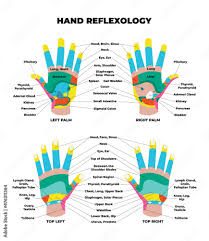
However, beyond their biological function, alternative therapies such as reflexology suggest that our fingertips—and hands in general—are connected to different organs in our body.
Nerves of the Fingertips
The fingertips are equipped with an intricate network of sensory nerves. The median nerve provides sensation to the thumb, index, middle, and part of the ring finger, while the ulnar nerve is responsible for the little finger and the rest of the ring finger.
The radial nerve extends across the back of the hand and thumb but notably does not reach the fingertips.
These nerves end in specialized receptors, such as Meissner’s corpuscles and Merkel cells, which detect pressure and fine touch, allowing us to interact delicately with our surroundings. But what if these nerves play an even greater role in connecting our fingertips to the overall health of our organs?
Reflexology and Its Beliefs
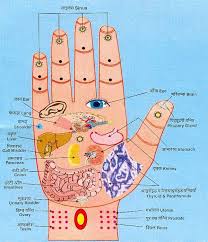
Reflexology is a holistic therapy built on the principle that specific areas of the body correspond to different organs and systems.
Reflexologists believe that by applying pressure to certain points on the feet, hands, and even ears, they can influence the health of internal organs and promote healing.
For instance, each finger is thought to correspond to different parts of the body:
Thumb: Linked to the brain, head, and respiratory system, including the throat.
Index Finger: Associated with the digestive system, specifically the stomach.
Middle Finger: Connected to the circulatory system and liver.
Ring Finger: Reflects the kidneys and nervous system.
Little Finger: Corresponds to the heart and small intestines.
These associations have led many to explore reflexology as a complementary therapy to support overall health, though it’s important to acknowledge that scientific backing for these claims is limited.
Can Stimulating the Fingertips Improve Organ Function?
Reflexologists argue that stimulating these areas, particularly by applying pressure to the corresponding points on the fingertips, can promote better organ function, enhance circulation, and reduce tension. Techniques such as pressing or massaging the fingertips are said to encourage natural healing processes by removing energy blockages, a concept rooted in traditional Chinese medicine’s understanding of “Qi,” or life force energy.
However, modern medicine has not substantiated these claims. While people report feeling relaxed or relieved of tension after reflexology sessions, experts suggest this could be due to general relaxation or placebo effects rather than direct organ stimulation.
The Practice of Clapping for Health
An interesting extension of reflexology is the practice of clapping, where striking the palms together is believed to stimulate reflex points in the hands. This method is said to promote circulation, boost energy, and even improve the function of internal organs. Practitioners recommend clapping for about 10 to 20 minutes, typically in the morning to energize the body or in the evening to relieve stress.
While clapping certainly increases blood flow to the hands and may provide a sense of well-being, there is no scientific evidence to suggest it can directly impact the health or function of specific organs. At best, clapping may be a way to relieve stress and improve circulation, serving as a supplementary practice rather than a medical treatment.
The idea that different organs are represented on the fingertips or palms is a fascinating concept in reflexology, a therapy that continues to gain popularity in the realm of holistic health. However, it’s essential to recognize that while some people find relief and relaxation through these methods, they are not replacements for traditional medical care.
For those seeking ways to enhance their well-being, practices such as reflexology can be considered complementary, offering benefits like stress reduction and relaxation. But as with any alternative therapy, it’s crucial to approach it with informed caution and to prioritize professional medical advice for any significant health concerns.