 National Wire About Nigerians, Nigerian Business and Other Stories


The phrase “life is in phases, and men are in sizes,” often attributed to Bishop David Oyedepo, the founder of the Living Faith Church Worldwide, underscores a profound truth about human existence. It highlights that people go through various stages in life and grow at different rates, adapting to circumstances based on their capabilities and resources.
This philosophy is particularly relevant in today’s Nigeria, where the economy is experiencing significant stress, impacting the daily lives of her citizens.
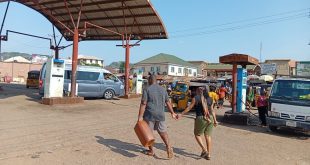
Nigerians have been grappling with economic challenges that have intensified over the past few years. The cost of living has skyrocketed, leaving many struggling to make ends meet.
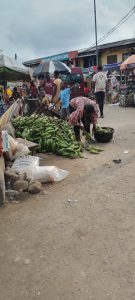
Despite these hardships, Nigerians have developed unique coping mechanisms to navigate these tough times, often preventing widespread protests or social unrest. One of the most affected sectors is the food industry, where inflation has driven prices to unprecedented levels, making it increasingly difficult for the average person to afford basic necessities.

Transportation, a critical component of the economy, has also been severely impacted. The removal of the petrol subsidy by the Tinubu administration has led to a sharp increase in transportation costs. Commuters are now forced to carefully plan their journeys, weighing the necessity and cost of each trip. This new reality has created a situation where people must choose their travel options based on what they can afford, highlighting the disparities in economic capability among the population.
In Lagos, the most populous city in Nigeria housing over 20 million people of different backgrounds, residents have crafted a somewhat liberal economy that allows for flexibility and adaptability. The diverse economic landscape of Lagos means that individuals can select services that align with their financial status even as the choices are shrinking fast. This adaptability is evident in everyday transactions, such as transportation costs, which vary significantly depending on the mode of transport and the time of day.
For example, at Iyana Ipaja, a bustling area in Lagos this afternoon, the fare to Oshodi, a commercial hub of about 19 kilometers away varies widely. While one bus conductor was announcing a fare of N300, another was offering the same trip for N200, and yet another conductor was offering same route for N100. This tiered pricing system allows individuals to choose their transportation based on what they can afford at that moment and of course the comfort attached to each ride varies.
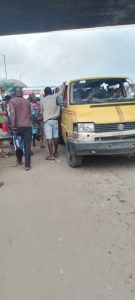
On the other hand, opting for a taxi service like Uber or Bolt can be significantly more expensive, sometimes costing from between N2,500 and N5,000, depending on the time and demand.
These variations in prices reflect the broader economic reality in Lagos, where people navigate their daily lives by making choices that align with their financial capabilities. The economic challenges in Nigeria are undeniably harsh, but they have also fostered a sense of resilience and resourcefulness among the people. Lagosians, in particular, exemplify this adaptability by creating a dynamic and flexible economy that caters to different income levels.
The principle that “life is in phases, and men are in sizes” is vividly illustrated in how Nigerians manage their finances amid economic adversity. Each phase of economic hardship brings out a different level of resourcefulness and adaptation, showing that people grow and develop at their own pace, making choices that suit their current circumstances. This resilience is a testament to the indomitable spirit of Nigerians who, despite facing significant economic challenges, continue to find ways to thrive.
While the economy in Nigeria remains challenging, the ability of her people to adapt and choose what they can afford is a powerful demonstration of resilience. The economic landscape, particularly in Lagos, offers a microcosm of this adaptability, with varying costs for the same services reflecting the diverse financial capabilities of its residents. Ultimately, this adaptability and resilience underscore the timeless truth that life is indeed in phases, and men are indeed in sizes.
Story and pictures by Dayo Emmanuel