 National Wire About Nigerians, Nigerian Business and Other Stories


 …Warns against fuel price hike without palliatives
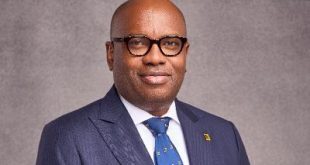
The Chief Executive Officer (CEO), of FSDH Merchant Bank Limited, Hamda Ambah, has warned that, the country risks economic suicide should it continue to subsidise fuel. The FSDH boss at an interactive session with the media on initiatives to revamp the downstream oil and gas sector, warned further that, in the face of dwindling revenue, Government could no longer sustain the continued payment of fuel subsidy which skyrocketed from N225 billion in 2017 to N731 billion in 2018.
Ambah, said the Government must provide palliative measures for the masses in Nigeria to guarantee the success of the deregulation of the downstream oil and gas sector, which will lead to the removal of fuel subsidy. She noted that the perceived apprehension of the masses was genuine as the implementation of the fuel subsidy may lead to increase in pump price and may further erode the already weak purchasing power of the masses if no social safety net was provided. Ambah said the savings to the government from the removal of fuel subsidy payments could be used to provide more primary healthcare centers, increase allocation to the school feeding programme, provide adequate funding for compulsory primary and secondary education in the public schools, provide soft loans for the petty traders, invest in the power sector and other areas that will have direct impact on the Nigerian masses.
“Government must plan adequately if it intends to deregulate the downstream oil and gas. It should not occur suddenly because the country can no longer afford to pay the increasing amount of subsidy. A critical part of the preparation will involve engaging various opinion leaders, religious organisations, as well as trade and labour unions. It should also come up with a framework on how to deploy the savings that will result from the withdrawal of the subsidy to improve the wellbeing of Nigerians. Such a framework must include a transparent tracking mechanism to show that the government is doing what it promises to do after the removal.
A good example of the reform system to learn from in recent years is what the Central Bank of Nigeria (CBN) did in the foreign exchange market by introducing the Investors and Exporters (I&E) Foreign Exchange window.”